Assetto Corsa Rally Pace Notes Explained
Contents
Assetto Corsa Rally Pace Notes Explained
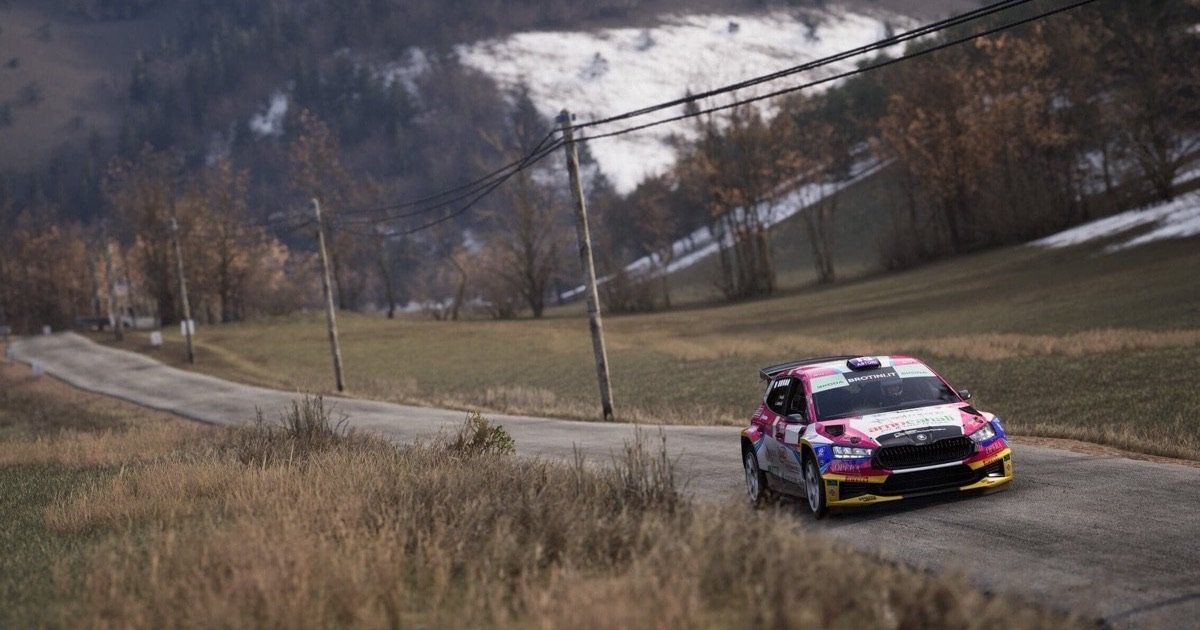 Image: Assetto Corsa Rally © Kunos Simulazioni / 505 Games.
You line up at the start of Rally Wales, the co-driver counts you down, and three seconds later a calm voice says "five right, into four left tightens, caution." By the time you''ve worked out what that meant, you''re already in a hedge.
If that sounds familiar, you''re not bad at the game — you just haven''t learned the language yet. Assetto Corsa Rally is built around its co-driver, and once the pace notes click, the whole game changes. This guide decodes every call so you can drive on the notes instead of your reflexes.
How Assetto Corsa Rally pace notes work
Assetto Corsa Rally launched in early access in November 2025, built by Supernova Games Studios with technical support from Kunos Simulazioni. Unlike a circuit, a rally stage is driven blind — you don''t get practice laps on the real thing. So the co-driver reads the road to you from a set of notes, always calling the corner before you can see it, so you can commit earlier than your eyes alone would allow.
Every call is doing one job: telling you three things about what''s coming — which way it bends, how sharp it is, and how far away it is. Get comfortable with those three and everything else is detail. (If pace notes are completely new to you, our guide to what pace notes are covers the basics first.)
The 1–6 corner scale
The core of the whole system is a number from 1 to 6 attached to each corner. It describes the severity of the bend:
- 1 is the tightest — a slow, sharp corner you''re braking hard for.
- 6 is the fastest — barely a bend, taken almost flat.
- Everything in between scales smoothly: the higher the number, the faster and more open the corner.
So "two left" is a slow, tight left. "five right" is a quick, open right you barely lift for. One common trap for newcomers: the number is not a gear. It only describes how sharp the corner is — what gear you take it in depends on your car, the surface, and your speed.
If you only remember one thing from this guide, make it this: low number = slow and tight, high number = fast and open.
The corner words: hairpins, kinks and squares
Some corners get a name instead of — or alongside — a number, because their shape matters more than a single severity figure:
- Hairpin / tight hairpin — an extreme, near-180° corner. The tightest things on the stage.
- Square — a sharp, roughly 90° corner, almost like a junction.
- Kink — a quick flick that barely interrupts your line.
- Flat — a bend you can take without lifting.
These sit alongside the numbers, and once you hear them enough they become instant mental pictures. "Tight hairpin left" needs no number — you already know to slow right down.
"And" versus "into": how corners link
This is the detail that separates people who survive a stage from people who spin on lap one. When two corners come close together, the co-driver links them with one of two words, and they mean different things:
- "And" links two corners with a small gap between them, usually of similar or easier difficulty. You have a breath between them.
- "Into" links a corner that runs straight into a tighter one with no gap. "Four right into two left" means the moment you''ve finished the four right, you''re immediately committing to a much tighter two left.
Miss the difference and "into" will catch you out every time — you''ll carry too much speed into the second corner expecting a gap that isn''t there.
The warnings and line calls
On top of severity and shape, the co-driver adds instructions and hazard warnings. You''ll hear these mixed into the notes:
- Caution — a general "something here needs respect."
- Don''t cut / cut — whether it''s safe to clip the inside of the corner or there''s something there (a rock, a ditch) that''ll punish you.
- Keep in / keep out / keep left / middle / right — where to place the car.
- Brake / handbrake — a heavy braking zone, or a corner tight enough to need the handbrake.
- Bad camber — the road slopes the wrong way, pushing you wide.
- Blind / hidden — you won''t see the corner (or its apex) until you''re in it. Trust the note, not your eyes.
- Slippery — reduced grip ahead.
- Maybe — the co-driver''s honest "this might be flat, might not" — a judgement call.
You don''t need to memorise these as a list. Play a few stages and they attach themselves to real moments on the road.
Distance calls
Between corners, you''ll hear a bare number — "...fifty...", "...one hundred...". That''s the distance in metres to the next corner. "Four left, fifty, two right" means a grade-four left, then about 50 metres of straight, then a grade-two right.
Distances do two things: they set the rhythm of the stage, and they tell you how much room you have to brake, breathe, or set up for the next corner. Long distances mean you can push; short ones mean the next call is arriving fast.
How to actually keep up with the notes
Everyone drowns in the notes at first. The fixes are simple:
- Slow down. You can''t drive faster than you can process the notes. Ease off until you''re comfortably ahead of the calls, then build speed.
- Tune the call timing. Assetto Corsa Rally lets you adjust how far ahead the co-driver reads — if calls feel late, move them earlier so you hear each corner in time to react.
- Learn severity first, modifiers later. Nail "low = tight, high = fast" before you worry about camber and cuts. The numbers alone will keep you on the road.
- Drive the same stage twice. The second run, you already half-know the road, and the notes start to feel like a rhythm instead of a warning.
From Assetto Corsa Rally to real roads
Here''s the part most people don''t realise: the 1–6 scale isn''t a game mechanic. It''s the real communication system rally crews have used for decades. The numbers, the "into" links, the "caution" and "don''t cut" — professional co-drivers call exactly this from a notebook in a real car. It''s the same system behind the pace notes in EA WRC and DiRT Rally too.
Which is why the skill transfers. Learn to drive on the notes in Assetto Corsa Rally and you''re reading a real rally onboard the same way. It''s also the same language behind Rods — an app that generates real-time pace notes on any public road and calls the corners to you through your car''s speakers, using the same 1–6 severity scale (or a simpler easy/medium/hard mode if you prefer), the same "into" chaining, and configurable call timing so the notes arrive when you want them. It flags real-world hazards too — speed bumps, speed cameras, and surface changes. No stage recce required; it reads the road as you drive it.
So the hours you put into learning your in-game co-driver aren''t just making you faster in Wales and Alsace — they''re teaching you to read a road the way a rally driver does, everywhere. (Prefer to mod the original game instead? See our guide to rally in Assetto Corsa with mods.)
FAQ
In Assetto Corsa Rally, is 1 the tightest corner or the fastest? 1 is the tightest, slowest corner (think hairpin). 6 is the fastest, most open — barely a bend. The higher the number, the faster the corner.
Do the pace-note numbers tell me which gear to use? No. The number only describes how sharp the corner is. The right gear depends on your car, the surface and your speed — the note just tells you the severity.
What''s the difference between "and" and "into"? "And" links two corners with a small gap between them. "Into" links a corner that runs straight into a tighter one with no gap — so you commit to the second corner immediately, without a straight in between.
What does "4 left 50" mean? A grade-4 (fairly fast) left corner, then about 50 metres of straight, then the next call. The bare number between corners is the distance to the next one, in metres.
Can I change when the co-driver reads the notes? Yes — Assetto Corsa Rally lets you adjust the callout distance and timing so notes are read earlier or later relative to the corner. If calls feel late, move them earlier.